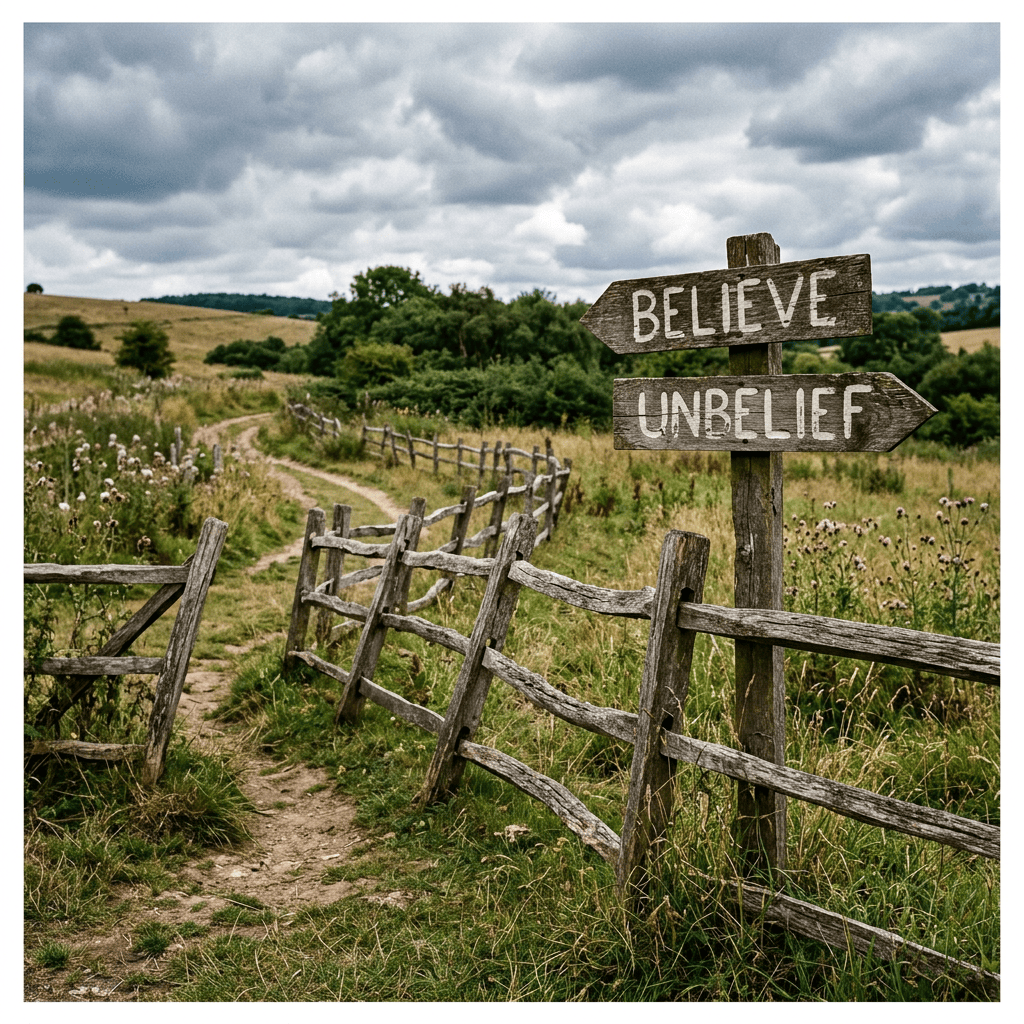
Weathered sign reading “BELIEVE” and “UNBELIEF” beside a countryside path
Belief, Bible, Disobedience, Hebrews, Obedience, Scripture, Unbelief

THE FATE OF THE DISOBEDIENT

HEBREWS 3:18

“And to whom did He swear that they would not enter His rest, but to those who were disobedient?”

It’s one thing to disobey and another to not believe. Have you ever disobeyed someone because you didn’t believe they meant what they said? The little child may think Daddy won’t spank me because he loves me too much. Let me just tell you, that dad will spank his child because he loves him so much. Unfortunately, our disbelief of God isn’t so easily rectified. God doesn’t just “spank” us for disbelief. It’s much more costly.

The writer continues to compare how God dealt with the Hebrews in the wilderness with how He deals with us today. The Greek word translated “were disobedient” is apeitheó. It’s used 14 times in the New Testament and is interchangeable with “to disbelieve.” In Acts 14:2 we see it used that way. “But the unbelieving Jews stirred up the minds of the Gentiles and embittered them against the brothers.” This word equates disbelief with disobedience. In the case of the Hebrews in the wilderness, it had deadly consequences. All the adults over 20 died before they entered the Promised Land.

ASK QUESTIONS (Command to Obey, Promise to claim, Sin to avoid, Application to make, Something new about God)

Let me suggest an Application to make in today’s verse. Instead of following the example of those who disbelieved, let us believe in the Lord Jesus and obey His Word. Just listen to this warning in 1 Peter 4:17. We see apeitheó used here and translated as “do not obey.” “For it is time for judgment to begin with the household of God; and if it begins with us first, what will be the outcome for those who do not obey the gospel of God?” I don’t know about you, but I don’t want to find out what the unbelievers face in judgment.

The good news is we don’t have to worry about that if we are obeying and following Jesus. The Topical Lexicon gives a great description of apeitheó. It says it, “expresses a settled refusal to be persuaded, an obstinate resistance that shows itself both as unbelief and as disobedience. In Scripture, trust in God and submission to His word are inseparable; therefore unbelief inevitably manifests itself in moral rebellion, whereas genuine faith demonstrates itself in obedience.”

What side of the fence are you on today? You can’t straddle the  fence on this one. Have you ever tried to straddle a wobbly fence? It’s practically impossible. Stand with Jesus on His side of the fence. There really is a fence between belief and unbelief, but Jesus can tear that fence down.

Thank You, Father, for giving me the gift of faith so that I can believe You and obey.
Standard
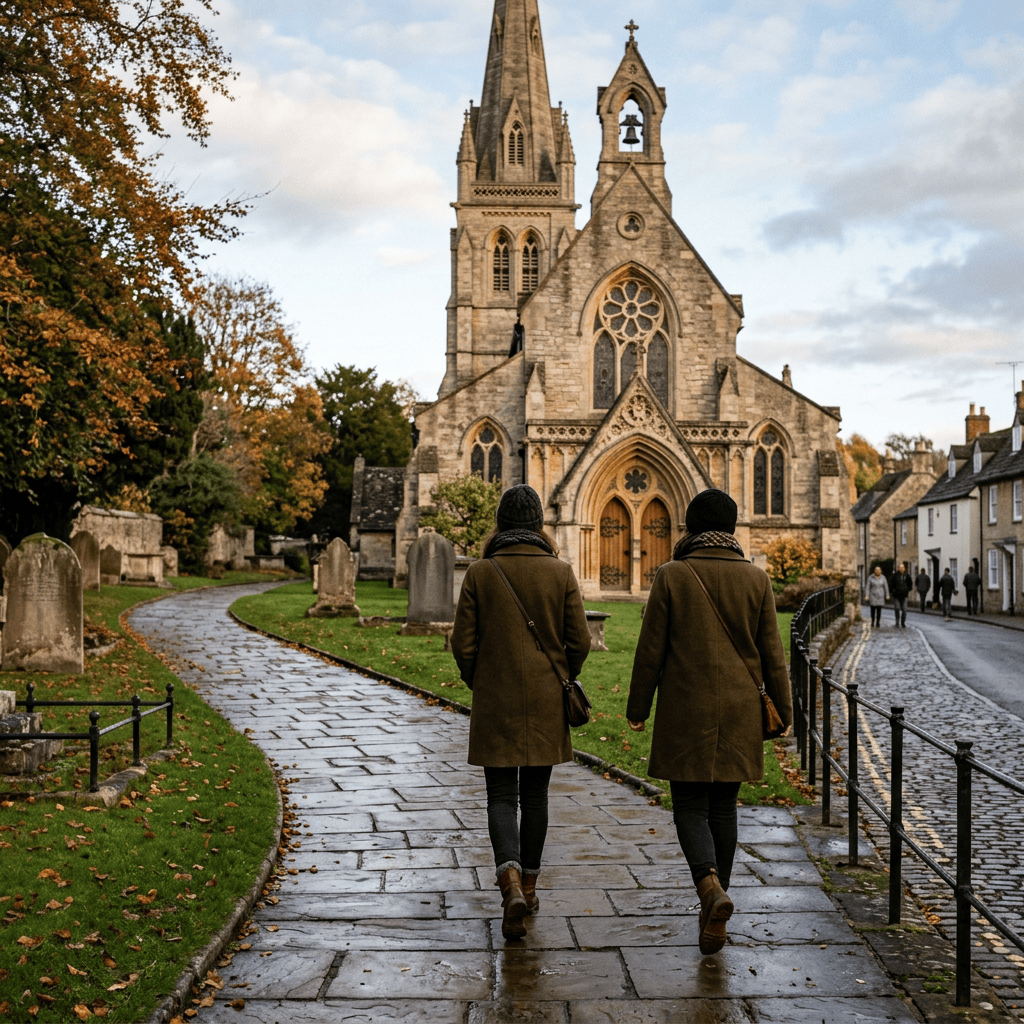
Two people walking toward a stone church beside a village cemetery
Bible, Evil, Heart, Hebrews, Scripture, Unbelief

EVIL, UNBELIEVING HEART

HEBREWS 3:12

“Take care, brothers and sisters, that there will not be in any one of you an evil, unbelieving heart that falls away from the living God.”

What makes a person evil? Is it imbedded in their DNA? Do they learn the behavior? We know that since the fall of Adam and Eve in the garden, every person born is born into sin. But there are many good, lost people. What changes them into evil human beings? In today’s verse we are able to see the cause.

The Greek literally says “an evil heart of unbelief.” Barnes says, “An unbelieving heart was the cause of ‘their’ apostasy, and what worked their ruin will produce ours. The root of their evil was ‘a want of confidence in God’ – and this is what is meant here by a heart of unbelief.” The Greek word for “evil” is poneros which is more than evil. It’s a degenerative, hurtful evil that goes totally against God’s design. And the Greek word for “unbelieving” is apistia which is the negated form of pistis (faith).

ASK QUESTIONS (Command to Obey, Promise to claim, Sin to avoid, Application to make, Something new about God)

There is an Application to make here that tells us to guard ourselves from this evil, unbelieving heart so we don’t fall away. The Greek word for “falls away” means “instigate to revolt; usually (reflexively) to desist, desert, etc. — depart, draw (fall) away, refrain, withdraw self.” (Strong’s Exhaustive Concordance). It’s used fourteen times in the New Testament in a variety of ways. In 1 Timothy 4:1 we see it used in a similar way as in today’s verse. “But the Spirit explicitly says that in later times some will fall away from the faith, paying attention to deceitful spirits and teachings of demons,…”

You see, the evil, unbelieving heart which has no confidence in God can easily be lead astray. If you do not believe in God and in the saving power of Jesus’ death and resurrection, you have no hope. Having no hope will cause you to do all sorts of things. Do you have confidence in God? Do you believe? Then rest in that and you will not fall away.

You could also list this verse as a Sin to avoid for we know that unbelief is sin. Unbelief is the surest way to find evil. Unbelief is the one sin that is unforgiveable. God cannot ignore sin. We know that. But if we confess our sins, He is faithful to forgive us (1 John 1:9). But the sin of unbelief puts us outside the realm of His forgiveness. We must believe in order to receive forgiveness. Aren’t you glad you believe?

Thank You, Lord, that I know I am standing on solid ground with You and am forgiven.

Standard