ROMANS 15:3
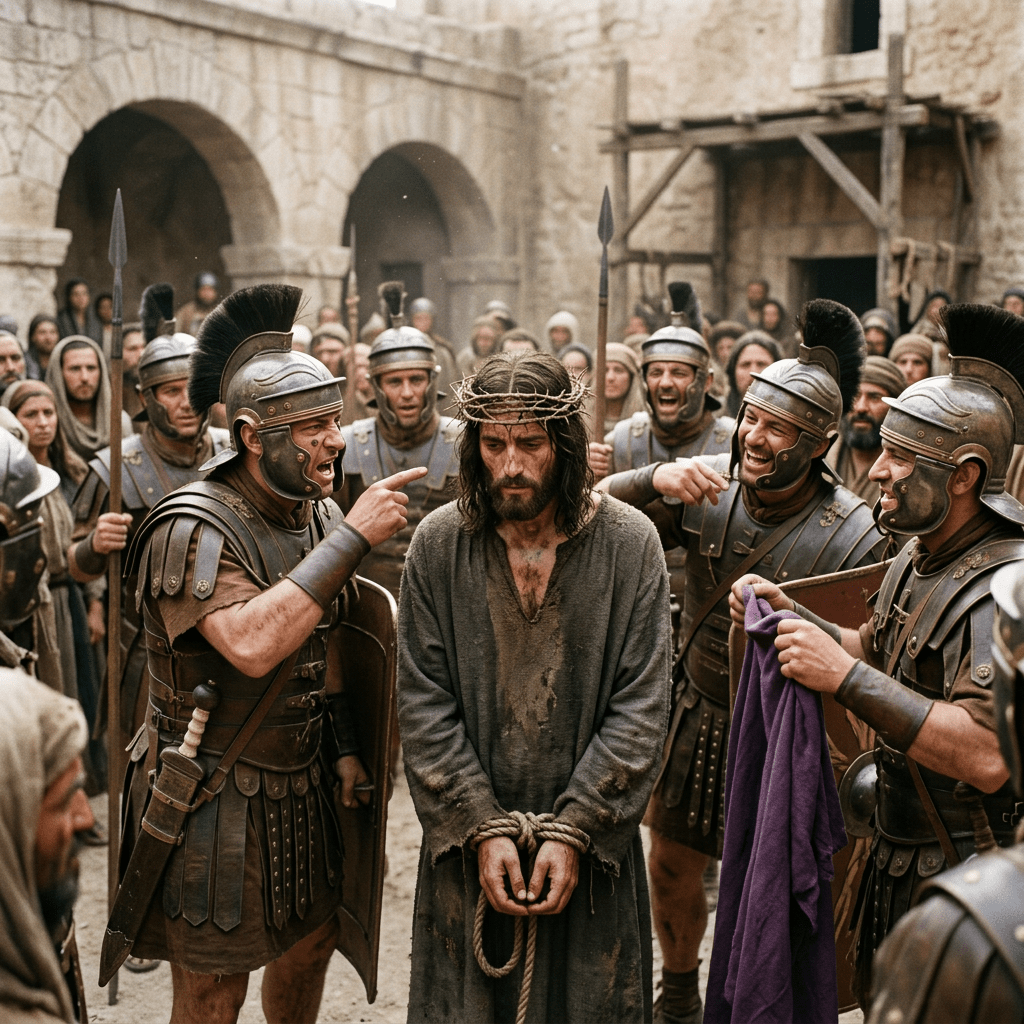
“For even Christ did not please Himself, but as it is written: ‘THE TAUNTS OF THOSE WHO TAUNT YOU HAVE FALLEN ON ME.’”
When I read this verse, I thought of the heckling and even assaults that have occurred against people who stand for the life of the unborn. For decades now the abortion clinics have murdered millions of babies, and the industry does not want believers to speak out against it. People have been arrested, jailed and persecuted for trying to educate those with unplanned pregnancies, offering alternatives to abortion. These warriors endured the taunts and threats for the sake of the unborn.
If that offended you, I am sorry. I am an unashamed defender of the unborn. I truly believe Jesus is too. Every child that is conceived is from the Lord, no matter how they came into the world. They are innocent and have a right to life like every other person. Christ endured the taunts and jeers of the people for the sake of all. He suffered and died to set us all free. Paul says in today’s verse that He did this without any thought of Himself. He only wanted to please the Father.
APPLICATION
The Greek word for “taunts” is oneidismós. It is described by HELPS Word-studies as “reproach (reviling); an insult aimed to damage (disgrace) reputation. In the NT, oneidismós suggests undeserved condemnation, i.e. which does not ‘hold up’ after the situation is correctly (fully) understood.” In other word, the taunts and reproaches are baseless and are usually stirred up by hateful emotions. Let me ask you, “Who do you think gets the glory in that?” That’s right – the devil. He loves to stir up strife.
This word is used five times in the New Testament, three times by the writer of Hebrews. In 13:12-14, we read, “12 Therefore Jesus also suffered outside the gate, that He might sanctify the people through His own blood. 13 So then, let us go out to Him outside the camp, bearing His reproach. 14 For here we do not have a lasting city, but we are seeking the city which is to come.” Isn’t that a great passage? We bear the taunts and reproaches because we know what is to come.
Jesus told us in Matthew 5:11-12, “‘11 Blessed are you when people insult you and persecute you and falsely say all kinds of evil against you because of Me. 12 Rejoice and be glad, for your reward in heaven is great; for in this same way they persecuted the prophets who were before you.’” People are watching how you respond to these taunts and reproaches. Point them always to Jesus.
Lord, it is hard to hold my tongue when I am falsely accused. Remind me of the suffering of Christ when this happens.
If the Lord should lead you to support our ministry, check out our ministry page at Trans World Radio (www.twr.org/carl-willis).